
-
By:
- ophelia
- No comment
racket size guide
Racket Size Guide: Finding Your Perfect Fit (Updated 05/04/2026)
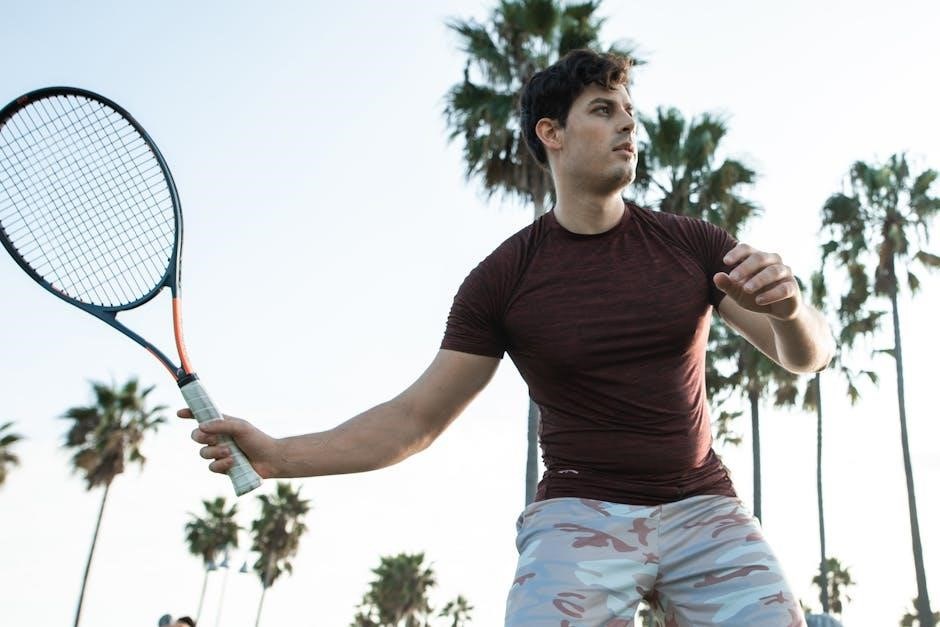
Forbes experts, like Tim Newcomb, delve into tennis gear, offering insights into brands like Functional Tennis and their innovative Saber rackets․
Selecting the correct racket size profoundly impacts performance and enjoyment on the court․ Forbes contributors emphasize that a well-fitted racket enhances control, power, and overall feel․ Functional Tennis, with its Saber line, demonstrates how thoughtful design influences playability․ Ignoring racket specifications can lead to discomfort, reduced power, and even potential injury․ Understanding head size, weight, balance, grip, length, swingweight, beam width, and string pattern is crucial for optimizing your game, as highlighted by expert analyses․
Understanding Racket Head Size
Racket head size significantly affects the sweet spot and power potential․ Forbes’ coverage of tennis gear reveals how brands like Functional Tennis engineer head sizes for specific playing styles․ Larger heads offer more power and forgiveness, while smaller heads prioritize control․ Choosing the right size, as analyzed by experts, depends on swing speed and desired feel․ It’s a fundamental aspect of racket selection, impacting both beginner and professional players’ performance on the court․

Standard Head Sizes & Their Impact

Forbes’ tennis gear analysis highlights common head sizes: 95, 98, 100, 105, and 110 square inches․ Functional Tennis, and similar brands, utilize these sizes to cater to diverse player needs․ 95-100 sq․ in․ offer precision, favored by advanced players․ Larger sizes (105-110 sq․ in․) boost power and forgiveness, ideal for beginners․ Understanding these impacts, as detailed by experts, is crucial for selecting a racket that complements your skill level and playing style․
Oversize vs․ Midplus vs․ Midsize Heads
Forbes’ coverage of tennis technology explains the distinctions․ Midsize heads (under 98 sq․ in․) prioritize control, appealing to experienced players․ Midplus (98-105 sq․ in․) balances power and control, a versatile choice․ Oversize heads (105+ sq․ in․), like those potentially found in Functional Tennis’ line, maximize the sweet spot and power, assisting those developing their game․ Selecting the right size, as Tim Newcomb suggests, depends on individual strengths and weaknesses․
Racket Weight: A Key Consideration
Forbes’ tennis gear analysis highlights weight’s crucial role․ Lighter rackets (under 10 oz) enhance maneuverability, benefiting players with shorter swings, potentially aligning with Functional Tennis’ designs․ Heavier rackets (11 oz+) offer stability and power, favored by those with strong swings․ Tim Newcomb’s reporting suggests finding the right weight balances control, power, and comfort, impacting endurance during extended play, a key factor for all skill levels․
Lightweight Rackets: Benefits & Drawbacks
As Forbes contributor Tim Newcomb explores, lighter rackets – typically under 10 ounces – prioritize swift handling and easier swing speeds․ This suits players with compact swings or those seeking quick reactions at the net․ However, they often lack the stability and power of heavier frames․ Functional Tennis’ innovations may address this, but generally, lighter rackets demand precise technique to generate impactful shots, potentially sacrificing power for finesse․
Heavyweight Rackets: Benefits & Drawbacks
According to Forbes’ coverage by Tim Newcomb, heavier rackets – exceeding 11․5 ounces – offer enhanced stability and power, absorbing impact and delivering forceful shots․ These are favored by players with long, fast swings․ However, the increased weight can compromise maneuverability, potentially slowing reaction time․ Brands like Functional Tennis strive to balance weight with playability, but heavier rackets generally require significant strength and stamina․
Balance Point & Its Influence
As detailed by Tim Newcomb in Forbes, a racket’s balance point dramatically affects handling․ Head-light balance enhances maneuverability, ideal for quick reactions at the net․ Conversely, head-heavy balance boosts power and stability, benefiting baseline players․ Functional Tennis, and other brands, carefully engineer balance to suit different styles․ Even balance provides a versatile blend, though often lacks the extremes of either type․
Head-Light Balance: Maneuverability & Control
As Tim Newcomb’s Forbes coverage indicates, head-light rackets prioritize swift handling and precise control․ This distribution allows for faster swing speeds and easier net play, crucial for volleying and quick reactions․ Brands like Functional Tennis often cater to players valuing finesse․ While power may be slightly reduced, the enhanced maneuverability offers superior placement and responsiveness on the court․
Head-Heavy Balance: Power & Stability
According to Tim Newcomb’s insights on Forbes, head-heavy rackets, potentially like those from Functional Tennis, deliver substantial hitting power and increased stability․ This weighting assists in generating effortless depth and penetrating shots, ideal for baseline dominance․ Though maneuverability is reduced, the added stability minimizes vibrations and provides a solid feel upon impact, benefiting players prioritizing forceful strokes․
Even Balance: A Blend of Attributes
As highlighted by Tim Newcomb on Forbes, even balance rackets represent a versatile compromise, offering a harmonious blend of power, maneuverability, and control․ These rackets, potentially including models from brands like Functional Tennis, suit all-court players seeking adaptability․ They don’t excel in one specific area but provide a well-rounded performance, allowing for both aggressive baseline play and effective net coverage․
Grip Size: Ensuring Comfort & Control
Selecting the correct grip size is paramount for comfort and control, as noted by tennis gear experts featured on Forbes, including Tim Newcomb․ An ill-fitting grip can lead to tension, hindering performance․ Proper grip size relates directly to hand size, and adjustments can be made using overgrips․ Brands like Functional Tennis likely offer guidance, ensuring players maximize feel and minimize the risk of injury during play․
Measuring Your Grip Size
Determining your ideal grip size is crucial, a detail often covered by tennis analysts like Tim Newcomb at Forbes․ A common method involves measuring the distance from the tip of your ring finger to the second crease in your palm․ This measurement, in inches, often corresponds to a standard grip size․ Brands such as Functional Tennis may provide detailed sizing charts, ensuring a comfortable and secure hold for optimal racket control and performance․
Standard Grip Sizes & How They Relate to Hand Size
Generally, grip sizes range from 4 1/8 to 4 5/8 inches, as often discussed by experts like Tim Newcomb on Forbes․ Smaller hands typically suit grips around 4 1/4 to 4 3/8 inches, while larger hands benefit from 4 3/8 to 4 5/8 inches․ Functional Tennis, and other brands, acknowledge that proper fit prevents tension and enhances control, directly impacting a player’s ability to generate power and maintain comfort during play․
Overgrip & Its Effect on Grip Size
Adding an overgrip, a common practice highlighted by Tim Newcomb’s coverage on Forbes, increases the effective grip size․ Each layer typically adds approximately 1/8 to 1/4 of an inch․ Players often use overgrips for enhanced comfort and moisture absorption, but must account for this increase․ Brands like Functional Tennis recommend adjusting grip size accordingly to maintain optimal control and prevent hand fatigue during extended play․
Racket Length: Extending Your Reach
Racket length, a crucial aspect covered by Forbes’ tennis gear expert Tim Newcomb, significantly impacts reach and power․ Standard rackets measure 27 inches, offering a balance of maneuverability and control․ Extended lengths, ranging from 27․5 to 29 inches, provide greater leverage for increased swing speed and reach, potentially benefiting players seeking more power, as explored by brands like Functional Tennis․
Standard Length Rackets (27 inches)
As highlighted by Tim Newcomb of Forbes, the 27-inch racket remains the most prevalent choice among players․ This length provides a harmonious blend of control and maneuverability, suiting a wide range of playing styles․ Brands like Functional Tennis often feature 27-inch models, catering to players prioritizing feel and precision over raw power․ It’s a versatile option for developing players and seasoned competitors alike․
Extended Length Rackets (27․5 ⎻ 29 inches)
Forbes contributor Tim Newcomb notes that extended rackets, ranging from 27․5 to 29 inches, are gaining traction․ These rackets, potentially offered by brands like Functional Tennis with their Saber line, provide increased reach and leverage, translating to greater power on serves and groundstrokes․ However, they can be less maneuverable․ Players seeking an edge in offensive capabilities often gravitate towards these longer frames, accepting the trade-off in handling․
Swingweight: The Feel of Power
As highlighted by Forbes’ tennis gear coverage, particularly through Tim Newcomb’s analyses, swingweight is crucial․ It dictates how heavy a racket feels during a swing, impacting power and stability․ Brands like Functional Tennis, with innovations in their Saber rackets, carefully consider this metric․ Higher swingweight demands more strength but delivers greater power, while lower swingweight prioritizes maneuverability and faster swing speeds․

What is Swingweight and How is it Measured?
Tim Newcomb, writing for Forbes, explains swingweight isn’t the racket’s static weight, but its resistance to starting and stopping during a swing․ It’s measured in kg·cm² or RDC (Racquetball Dynamic Coefficient)․ Manufacturers like Functional Tennis, developing the Saber line, utilize this data․ A higher number signifies more effort to swing, translating to potentially greater power and stability, but requiring more physical strength from the player․
Swingweight and Player Strength Levels
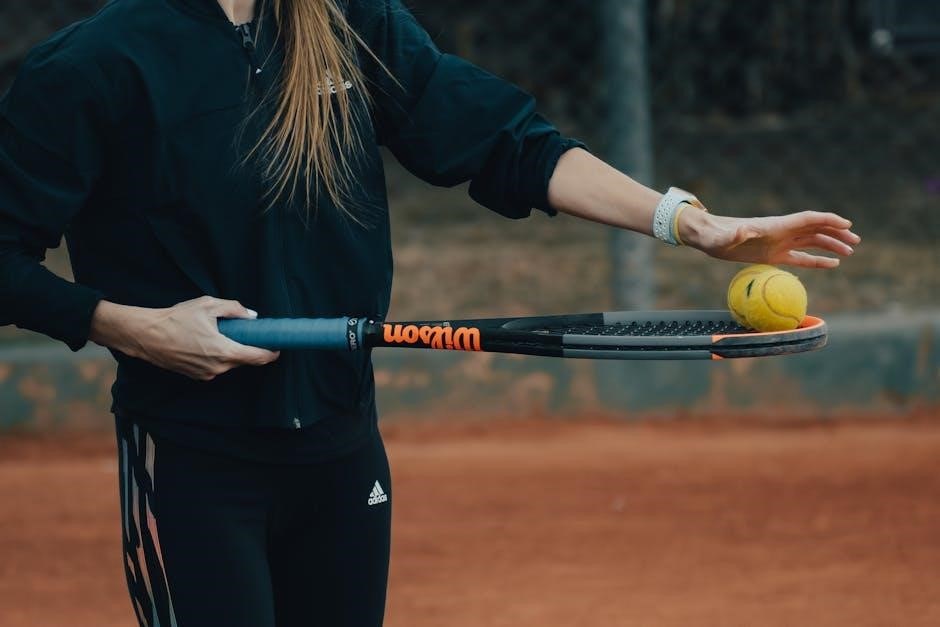
Forbes contributor Tim Newcomb notes swingweight suitability depends heavily on player strength․ Beginners and those with limited strength benefit from lower swingweights for easier maneuverability․ Intermediate players can handle moderate swingweights, balancing power and control․ Advanced and professional players, as seen with Functional Tennis’s Saber rackets, often prefer higher swingweights to maximize power and stability, demanding significant physical conditioning to wield effectively during intense matches․
Beam Width: Stiffness & Power Transfer
Tim Newcomb of Forbes highlights beam width’s impact on racket performance․ Thin beams, favored for control and feel, offer greater racket head speed․ Conversely, thicker beams, like those potentially found in Functional Tennis’s Saber line, provide enhanced stiffness and power transfer․ This increased stiffness reduces energy loss upon impact, translating to more powerful shots, though potentially sacrificing some feel and control for players․
Thin Beams: Control & Feel
As Forbes’ Tim Newcomb suggests, rackets with thinner beams prioritize control and feel, allowing for precise shot placement․ These designs, potentially explored by brands like Functional Tennis with their Saber rackets, offer more flex, enhancing the connection between the player and the ball․ This increased feel enables better touch and finesse, crucial for players who value accuracy over raw power, demanding greater technique․
Thick Beams: Power & Stiffness
According to insights from sources like Forbes contributor Tim Newcomb, rackets featuring thicker beams generally deliver enhanced power and stiffness․ These designs, potentially seen in innovations from brands such as Functional Tennis and their Saber line, minimize energy loss upon impact․ This translates to easier depth and pace on shots, benefiting players who prioritize hitting with force over delicate touch and precision․
String Pattern: Open vs․ Dense
As explored by tennis gear analysts like Tim Newcomb at Forbes, string patterns significantly impact racket performance․ An open pattern – fewer strings, wider spacing – boosts spin potential, allowing for greater ball curvature․ Conversely, a dense pattern – more strings, tighter spacing – prioritizes control and durability, potentially featured in rackets from brands like Functional Tennis, including their Saber models, for consistent play․
Open String Patterns: Spin Potential
As Forbes contributor Tim Newcomb highlights, open string patterns – characterized by fewer strings and wider spacing – are favored by players seeking enhanced spin․ This design allows for greater string deformation upon impact, imparting more topspin or slice․ Brands like Functional Tennis, with their Saber rackets, may utilize this feature to cater to players prioritizing aggressive shot-making and ball curvature on the court․
Dense String Patterns: Control & Durability
According to insights from Forbes’ tennis gear coverage, notably Tim Newcomb’s analyses, dense string patterns – featuring more strings and tighter spacing – prioritize control and durability․ These patterns restrict string movement, offering a more predictable response and enhanced longevity․ Brands, including Functional Tennis and their Saber line, might employ this for players valuing precision and consistent performance․
Choosing a Racket Based on Playing Style
Forbes contributor Tim Newcomb’s expertise highlights that racket selection should align with playing style․ Baseline players often benefit from heavier rackets offering stability and power, as discussed in his gear analyses․ Serve & volley players may prefer lighter, maneuverable frames․ Brands like Functional Tennis, with their Saber rackets, cater to diverse styles, emphasizing how equipment choices impact on-court performance and strategic advantages․
Rackets for Baseline Players
Tim Newcomb of Forbes notes baseline players thrive with rackets prioritizing stability and power for consistent groundstrokes․ Heavier frames, often favored by these players, absorb pace and deliver controlled depth․ Brands like Functional Tennis, through innovations in their Saber line, offer options designed for extended rallies․ These rackets typically feature a head-heavy balance and moderate swingweight, enhancing power and minimizing vibration during prolonged exchanges․
Rackets for Serve & Volley Players
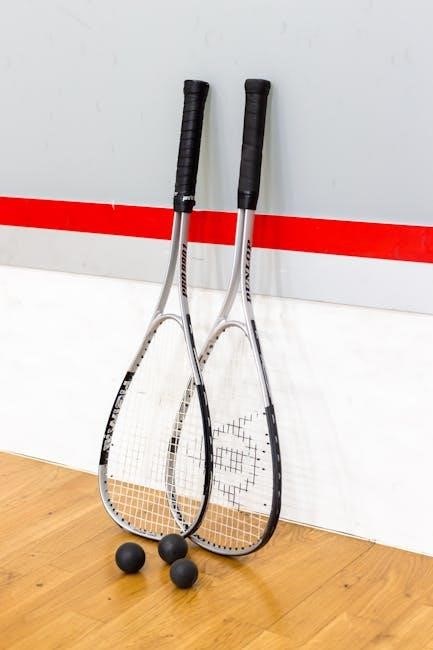
Forbes contributor Tim Newcomb highlights that serve and volley players require rackets emphasizing maneuverability and quick handling for rapid net play․ Lighter weight frames, as potentially offered by Functional Tennis’s Saber series, allow for swift transitions forward․ These rackets often possess a head-light balance, facilitating faster swing speeds and precise volleying․ Control is paramount, demanding a responsive feel to effectively dispatch angled volleys and aggressive serves․
Rackets for All-Court Players
Tim Newcomb of Forbes notes all-court players benefit from versatile rackets offering a blend of power, control, and maneuverability․ These frames, potentially including options from brands like Functional Tennis with their Saber line, typically feature a moderate head weight and an even balance․ This configuration supports both aggressive baseline play and effective net approaches, demanding adaptability․ A mid-plus head size often provides a sweet spot large enough for varied shot-making․
Racket Size Recommendations by Skill Level
Forbes contributor Tim Newcomb’s analysis suggests beginners thrive with lighter rackets and larger head sizes for easier swings and a more forgiving sweet spot․ Intermediate players can transition to moderately weighted frames with mid-plus heads, enhancing control․ Advanced players, as discussed by Newcomb, often prefer heavier rackets – potentially like those from Functional Tennis – offering greater power and precision, demanding refined technique․
Beginner Racket Specifications

As highlighted by Forbes’ tennis gear expert, Tim Newcomb, beginners should prioritize maneuverability․ Look for rackets weighing between 9․5 and 11 ounces․ Head sizes of 100-110 square inches are ideal, offering a larger sweet spot for consistent contact․ Newcomb suggests a balance point leaning towards head-light for easier swinging, and a grip size comfortable for a full, relaxed handhold – crucial for developing proper technique․
Intermediate Racket Specifications

Building upon beginner foundations, as Tim Newcomb of Forbes notes, intermediate players can explore rackets offering more control and feel․ Weights typically range from 10․5 to 12 ounces․ Head sizes around 98-105 square inches provide a balance of power and precision․ A more even balance point allows for greater versatility, while grip sizes should be carefully chosen for optimal comfort and responsiveness, enhancing developing skills․
Advanced/Professional Racket Specifications
As highlighted by Forbes contributor Tim Newcomb, advanced and professional players demand highly customized rackets․ Weights often exceed 11․5 ounces, prioritizing stability and power․ Head sizes frequently fall between 95-100 square inches, emphasizing precision․ Balance points are meticulously adjusted – head-heavy for power, head-light for maneuverability – and grip sizes are tailored for a secure, personalized feel, reflecting individual playing styles and preferences․