-
By:
- ophelia
- No comment
electrolux washing machine troubleshooting guide
Electrolux Washing Machine Leaks
Leaks can occur due to loose connections, damaged hoses, or worn gaskets. Check the water supply hoses for kinks or cracks and ensure they are securely attached. Inspect the drain hose for blockages and verify proper installation. Regularly cleaning the pump filter can prevent water leakage. If leaks persist, inspect the gasket around the door for signs of wear or damage, as this is a common source of water leaks during cycles.
Water Tap and Hose Inspection
Inspecting the water tap and hoses is crucial to identify potential leaks. Ensure the water supply taps are fully open and functioning correctly. Check the water supply hoses for any visible kinks, cracks, or damage. If you find any issues, replace the hoses immediately. Verify that the hoses are securely connected to both the washing machine and the water supply taps. Loose connections can lead to leaks during operation. Additionally, ensure the hoses are not twisted or pinched, as this can restrict water flow and cause pressure buildup. If you suspect a defective hose, try using a different one to rule out the issue. Regularly inspecting these components can prevent unexpected leaks and ensure smooth operation. Always turn off the water supply when the machine is not in use to avoid accidental leaks.
Drain Hose Kinks or Blockages
A kinked or blocked drain hose can prevent proper water drainage, leading to leaks or incomplete wash cycles. Inspect the drain hose for any visible kinks or bends that may restrict water flow. Straighten the hose if necessary and ensure it is securely connected to both the washing machine and the drain outlet. Check for blockages such as debris, lint, or mold buildup inside the hose. If you suspect a blockage, disconnect the hose and clean it thoroughly. Additionally, ensure the drain hose is not clogged with foreign objects or detergent residue. Regularly cleaning the drain hose can prevent such issues. If the problem persists, consider replacing the drain hose to ensure proper drainage and machine performance. Always follow the manufacturer’s guidelines for maintaining and inspecting the drain hose to avoid water damage or machine malfunction.
Pump Filter Clogs
A clogged pump filter is a common issue in Electrolux washing machines, often causing drainage problems or leaks. The pump filter, located at the bottom of the machine, traps debris like lint, coins, or detergent residue. To address this, turn off the machine and unplug it for safety. Locate the filter, usually behind a small door or panel, and open it carefully to avoid water spillage. Remove the filter and clean it thoroughly with a soft brush or cloth. Rinse it under running water to ensure all debris is removed. Regularly cleaning the pump filter can prevent clogs and maintain proper drainage. If the filter is damaged, replace it with a genuine Electrolux part. After cleaning or replacing the filter, ensure it is securely tightened to avoid leaks. Performing this maintenance regularly can help prevent future issues and keep your washing machine running efficiently.
Gasket or Seal Damage
Gasket or seal damage is a common cause of leaks in Electrolux washing machines. The rubber gasket around the door can deteriorate over time, leading to water escaping during wash cycles. Inspect the gasket for signs of mold, mildew, or cracks. If damaged, it may need to be replaced. To check, visually examine the gasket and run a cycle to see if water leaks from the door area. Cleaning the gasket regularly with a mild detergent can prevent mold buildup but won’t fix physical damage. If replacement is necessary, purchase a genuine Electrolux gasket to ensure proper fit and seal. Follow the manufacturer’s instructions for installation, typically involving removing the old gasket and pressing the new one into place. After replacement, run a cleaning cycle to ensure no debris remains. Regular maintenance can prevent future leaks and extend the machine’s lifespan.
Noise During Spin Cycle
Noise during the spin cycle can be caused by an imbalanced load, loose parts, or uneven machine installation. Ensure the washer is level, remove transportation bolts, and redistribute laundry evenly.
Imbalanced Load
An imbalanced load is a common cause of noise during the spin cycle. This occurs when the laundry distribution inside the drum is uneven, causing the machine to vibrate excessively. To address this, ensure the washer is placed on a level surface and remove any transportation bolts if still installed. Redistribute the clothes evenly, avoiding overloading, as this can exacerbate the issue. If the machine is not level, adjust the feet to stabilize it. For delicate items, consider using a smaller load size to maintain balance. Regularly checking and ensuring proper load distribution can prevent noise and potential damage to the machine. By following these steps, you can minimize vibrations and ensure smoother operation during the spin cycle.
Loose Parts
Loose parts inside the washing machine can cause noise during the spin cycle. Check for items like coins, keys, or other hard objects left in pockets, as they can create loud noises when the drum spins. Ensure all internal components, such as the drum bearings and shocks, are securely fastened. If the machine was recently installed, verify that all transportation bolts have been removed, as these can cause significant vibration if left in place. Additionally, ensure the machine is placed on a level surface and adjust the feet if necessary. Loose parts can also include worn-out belts or damaged suspension springs, which may need replacement. Regularly inspecting and tightening any loose components can help reduce noise and prevent further damage to the machine. Addressing loose parts promptly ensures smoother operation and extends the lifespan of your Electrolux washing machine.
Worn Drum Bearings
Worn drum bearings can cause significant noise and vibration during the spin cycle. Over time, the bearings that support the drum may deteriorate due to heavy use or poor maintenance. Symptoms include a grinding or screeching noise, excessive vibration, and potential error codes like E40 or E30. Inspect the drum bearings by removing the back panel and checking for visible wear or rust. If damaged, the bearings may need to be replaced. Regular cleaning of the drum and ensuring proper load balance can help extend the life of the bearings. In severe cases, water leakage may occur if the bearings fail completely. If you notice any of these signs, it’s important to address the issue promptly to avoid further damage to the machine. Replacement of drum bearings typically requires professional assistance, as it involves disassembling the washing machine; Always refer to the Electrolux manual for specific instructions or contact a certified technician for assistance.
Belt Issues
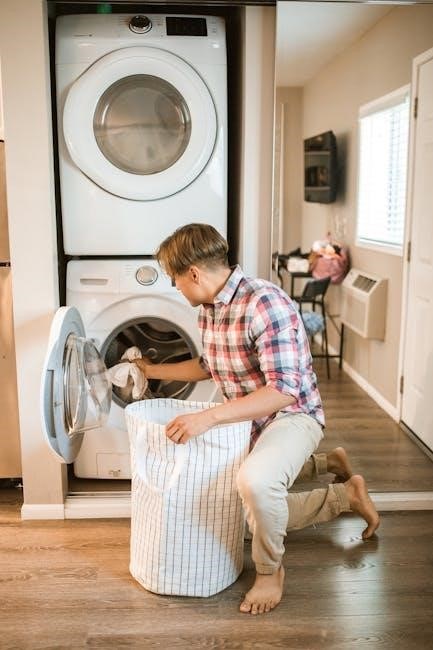
Belt issues can cause noise and disrupt the washing machine’s operation. If the belt is worn, cracked, or misaligned, it may slip or break, leading to a loud grinding or squealing noise during cycles. Inspect the belt for visible wear or frays. If damaged, replace it immediately to prevent further damage. Ensure the belt is properly aligned and tightened according to the Electrolux manual. Overloading the machine can strain the belt, so check load sizes. If the belt is loose, tighten it as per instructions. In some cases, error codes like E40 or E30 may indicate belt-related problems. Regular maintenance, such as cleaning the belt and pulleys, can extend its lifespan. If unsure, consult a professional technician for assistance. Addressing belt issues promptly can prevent costly repairs and ensure smooth machine operation. Always refer to the user manual for specific guidance on belt replacement and adjustment.

Error Codes
Error codes like E40, E30, E20, and E10 help diagnose issues. E40 often indicates door closure problems, while E30 may signal drain issues. E20 relates to water supply, and E10 to temperature sensors. Always reference the manual for specific solutions to these codes.
E40 Error Code
The E40 error code on an Electrolux washing machine typically indicates an issue with the door closure. This code suggests that the machine detects the door is not properly closed or locked. To resolve this, ensure the door is fully shut and latched securely. Check for any obstructions, such as clothing or debris, that might prevent the door from closing properly. Additionally, inspect the door gasket for damage or misalignment, as this can prevent the door from sealing correctly. If the issue persists, clean the door gasket and the surrounding area to ensure proper contact. In some cases, the door latch or strike may be faulty and require replacement. Always unplug the machine before performing any repairs. If the problem continues, consult a professional technician for further assistance. Regular maintenance can help prevent such issues from arising.
E30 Error Code
The E30 error code on an Electrolux washing machine indicates a water supply issue, specifically that the machine is not filling with water properly. This could be due to closed or partially closed water supply taps, kinked or blocked water inlet hoses, or a faulty water inlet valve. To resolve this, first, check that both the hot and cold water taps are fully open and functioning correctly. Inspect the water supply hoses for any kinks, twists, or blockages, and ensure they are securely connected to both the machine and the water supply. If the hoses are damaged, replace them. Additionally, clean or replace the water inlet filter if it is clogged with debris. If the issue persists, it may be necessary to check the water pressure in your home or consult a professional to diagnose and repair any underlying problems with the water supply system. Restart the machine after addressing these issues to see if the error is resolved;
E20 Error Code
The E20 error code on an Electrolux washing machine indicates a drainage issue, meaning the machine is not draining water properly. This could be due to a clogged drain filter, a kinked or blocked drain hose, or a malfunctioning drain pump. To resolve this, first, check the drain hose for any kinks or blockages and ensure it is properly positioned. Next, clean the drain filter, which is usually located at the bottom of the machine, by removing any debris or lint buildup. If the issue persists, inspect the drain pump for obstructions or damage. In some cases, the pump may need to be replaced. Additionally, ensure that the standpipe or drainpipe is not clogged and is at the correct height. After addressing these potential issues, restart the machine to see if the error is resolved. If the problem remains, it may be necessary to contact a professional for further assistance.
E10 Error Code
The E10 error code on an Electrolux washing machine indicates a water supply issue, specifically that the machine is not filling with water properly. This could be due to closed water taps, kinked or blocked water supply hoses, or a faulty water valve. To resolve this, first, check that both the hot and cold water taps are fully open and functioning. Inspect the water supply hoses for any kinks, twists, or blockages, and straighten or replace them if necessary. Additionally, ensure that the water supply hoses are securely connected to both the machine and the water taps. If the issue persists, it may be worth cleaning or replacing the water filter, if your model has one. Finally, restart the machine to see if the error is cleared. If the problem remains, it could indicate a malfunctioning water inlet valve, which may require professional repair or replacement.
Machine Not Starting
Check the power supply, ensuring the plug is securely connected. Verify the child lock isn’t activated and the door is properly closed. If issues persist, inspect the control panel for responsiveness or display errors.
Power Supply Check
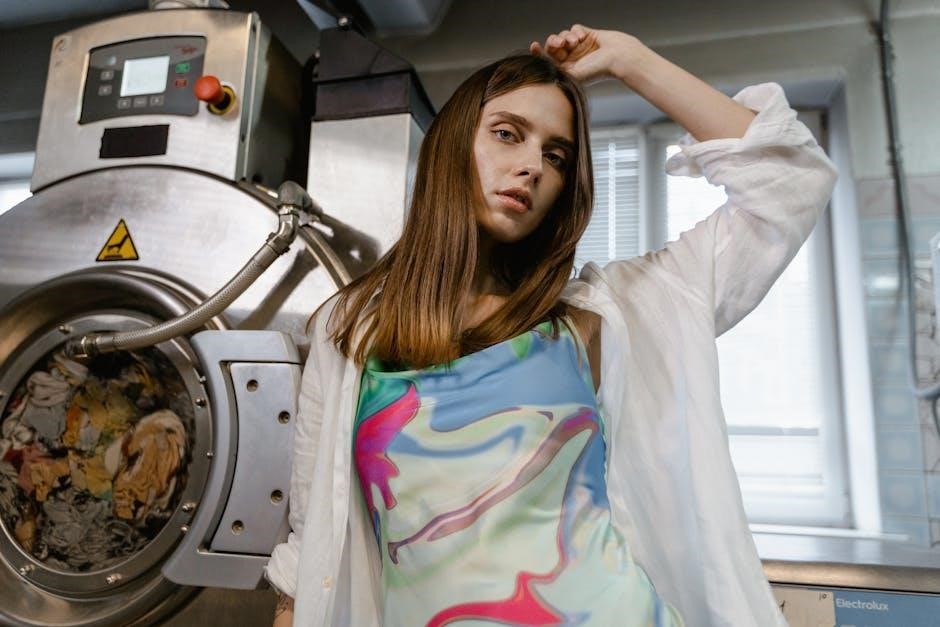
Ensure the washing machine is properly plugged into a functioning electrical outlet. Verify that the power cord is securely connected to both the machine and the wall. Check the circuit breaker or fuse box to confirm that the circuit hasn’t tripped or blown. If using an extension cord, ensure it is rated for the machine’s power requirements. Test the outlet with another appliance to confirm it’s working. If the machine still doesn’t start, inspect the power cord for visible damage or frays. Consult the user manual for specific electrical requirements. If all checks pass and the issue persists, contact a licensed electrician or an authorized Electrolux technician to assess the electrical system or control board for potential faults.
Child Lock Activation
The Child Lock feature on Electrolux washing machines is designed to prevent accidental operation by children. If the machine isn’t starting, check if the Child Lock is activated. This feature can be accidentally enabled, locking the control panel and preventing the machine from running. Refer to your user manual for specific instructions on deactivating the Child Lock, as the process may vary by model. Typically, you’ll need to press and hold a specific button combination for a few seconds. Look for a lock icon on the display, which indicates the feature is active. If the Child Lock is enabled, the machine won’t respond to any controls until it’s deactivated. Ensure no buttons are stuck or malfunctioning. If the issue persists, perform a power reset by unplugging the machine, waiting a few minutes, and plugging it back in to reset the system.
Door Closure Issues
Door closure issues can prevent your Electrolux washing machine from starting or functioning properly. Ensure the door is fully closed and latched securely. Check for obstructions like clothing or debris that may prevent the door from sealing properly. If the door lock is damaged or malfunctioning, the machine won’t operate. Inspect the door switch or latch for wear or damage. Clean the door gasket regularly to ensure a proper seal and prevent mold buildup. If the door is misaligned, adjust it according to the manufacturer’s instructions. Verify that the machine is level, as an uneven surface can affect door alignment. If the issue persists, consult a professional to repair or replace the door lock mechanism. Proper door closure is essential for safe and efficient operation of the washing machine.

Bad Odors and Mold
Regular cleaning is essential to prevent odors and mold. Run cleaning cycles with bleach or vinegar to eliminate bacteria. Clean the gasket and drain filter regularly. Leave the door open to dry after use.
Cleaning the Gasket
Cleaning the gasket is crucial to prevent mold and odors in your Electrolux washing machine. Start by inspecting the gasket for visible mold or mildew. Mix equal parts water and white vinegar in a bowl, then dip a soft cloth into the solution. Wring it out thoroughly and gently wipe down the gasket, paying attention to folds and crevices where debris accumulates. For tougher stains or mold, let the solution sit for 10-15 minutes before scrubbing with a soft-bristled brush. Rinse the cloth and wipe away any remaining vinegar solution. After cleaning, leave the washer door open to allow the gasket to dry completely. Regular cleaning prevents bacteria growth and keeps your machine fresh. For severe cases, a bleach-based cleaner can be used, but always rinse thoroughly to avoid residue. Cleaning the gasket monthly helps maintain hygiene and prevents unpleasant odors.
Running Cleaning Cycles
Running cleaning cycles is essential for maintaining your Electrolux washing machine’s hygiene and performance. Start by checking your user manual for specific instructions on running a cleaning cycle, as different models may vary. For most models, select the “Cleaning Cycle” or “Hot Water Wash” option. Add 1-2 cups of white vinegar or bleach directly into the drum, depending on your preference. Close the lid and run the cycle on the hottest temperature setting. This helps remove detergent residue, mold, and mildew. After the cycle, leave the door open to allow the interior to dry completely. For severe odors, repeat the process or add a washing machine cleaner. Regular cleaning cycles, ideally once a month, prevent the buildup of bacteria and keep your machine smelling fresh. This simple maintenance routine ensures optimal performance and extends the lifespan of your appliance.
Checking the Drain Filter
Regularly checking and cleaning the drain filter is crucial for maintaining your Electrolux washing machine’s performance and preventing issues like bad odors or mold buildup. Locate the drain filter, usually found at the bottom of the machine or near the drain pump. Open the small door or panel to access it. Remove the filter and rinse it thoroughly with warm water to eliminate debris, lint, or detergent residue. Use a soft brush or cloth to scrub away stubborn particles. Once clean, reinstall the filter securely to ensure proper drainage. After cleaning, run a cleaning cycle with a washing machine cleaner or vinegar to sanitize the interior. Regular maintenance of the drain filter helps prevent clogs, reduces odors, and ensures efficient water flow during wash cycles. This simple step can significantly improve your machine’s hygiene and overall functionality. Make it a habit to check the filter every 1-2 months for optimal results.